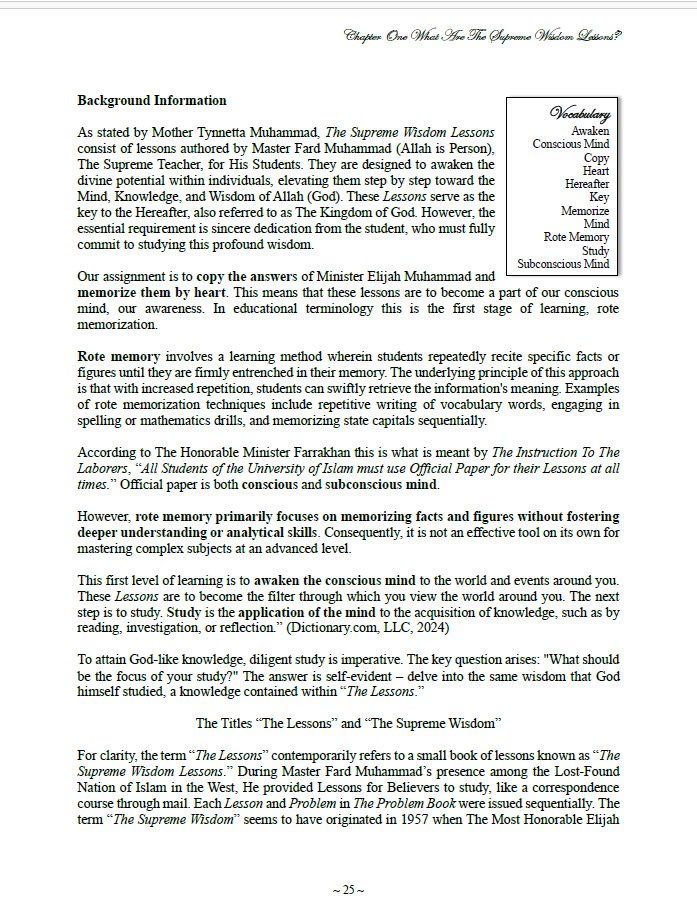
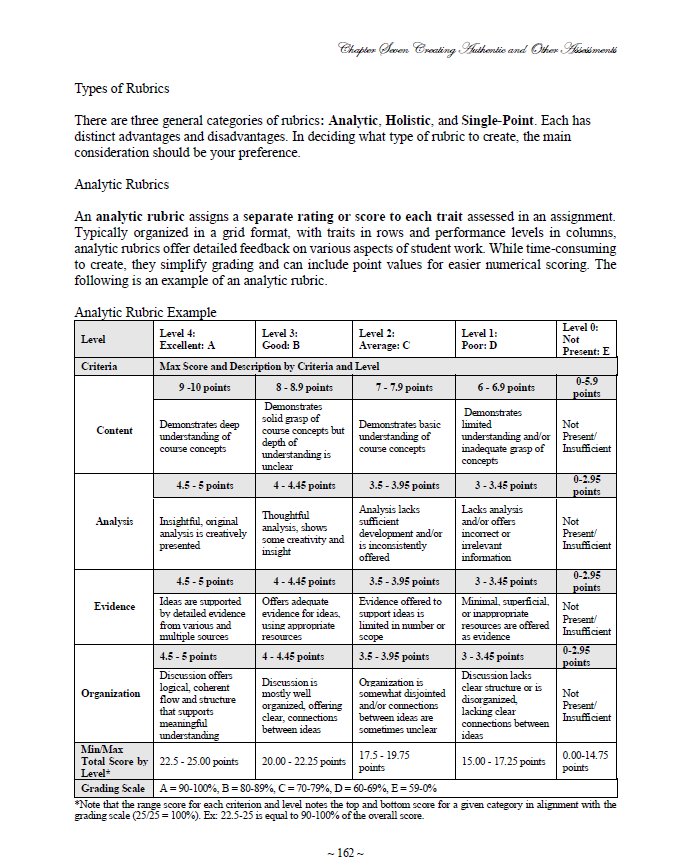
Image 1 of 2
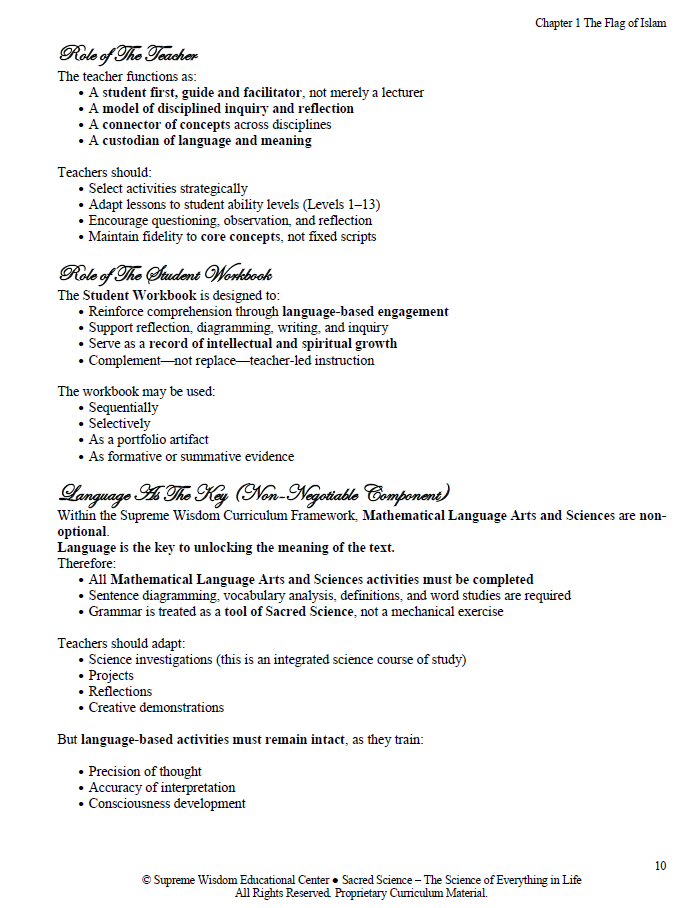 Image 2 of 2
A defining feature of this curriculum is its emphasis on Language as the key to comprehension and mastery. Unit 1 intentionally develops the Mathematic Language Arts and Sciences strand alongside scientific content, strengthening students’ ability to decode technical vocabulary, interpret complex statements, analyze meaning, and communicate scientific explanations with precision. Structured language routines support close reading, academic vocabulary development, scientific speaking and writing, and Claim–Evidence–Reasoning (CER) responses—making literacy a built-in driver of science achievement rather than an add-on.
Unit 1 also establishes the curriculum’s integration architecture that carries through all four units: recurring concepts (systems, order, cycles, energy, matter, life processes, evidence-based reasoning), recurring skill threads (observation logs, measurement, modeling, questioning, experimental design, data representation, reflection), and consistent cross-curricular correlations (mathematics for measurement and graphing; language arts for text analysis and explanation; history/culture for context; and practical life applications through agriculture, health, environment, and community). These correlations are explicitly mapped so teachers can see how each week connects to the broader year-long scope and sequence and how learning in one discipline strengthens learning in another.
Whether used as the first 10 weeks of the full Sacred Science program or as an independent unit, Chapter 1: The Flag of Islam equips teachers with a complete, integrated instructional pathway—lesson structures, learning targets, materials guidance, vocabulary and language supports, investigations, formative checks, and culminating performance tasks—so classrooms can implement a rigorous, coherent, and meaningful science curriculum anchored in thematic unity and academic precision.